
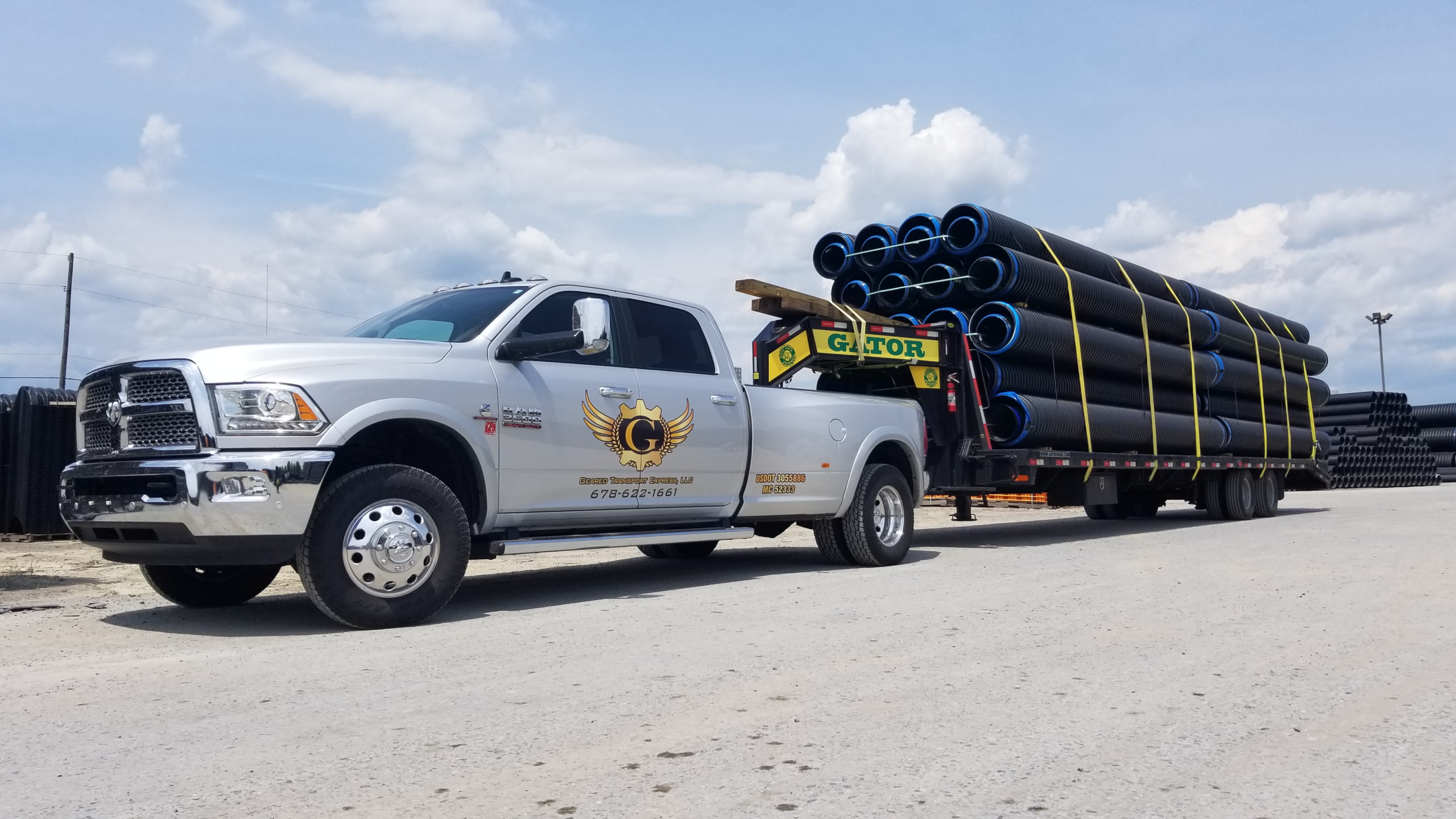
Hotshot Trucking Insurance in Miami, FL: The Complete 2026 Guide for Owner-Operators
If you run a pickup and flatbed trailer combo hauling time-sensitive freight around Miami-Dade County, you already know that one bad accident, one denied cargo claim, or one lapsed policy can shut your operation down overnight. That’s why hotshot trucking insurance isn’t optional paperwork — it’s the financial backbone that keeps South Florida hotshot haulers legally on the road and able to bounce back when something goes wrong.
At Miami Commercial Truck Insurance, we work with owner-operators from Hialeah to Homestead who need fast, affordable coverage that actually matches how hotshot trucking works in Florida. In this guide, we’ll walk through exactly what hotshot trucking insurance covers, how much it costs in the Miami market, what Florida and federal regulators require, and how to shop smart so you’re not overpaying for protection you don’t need — or worse, underinsured for the risks you do face.
What Is Hotshot Trucking Insurance?
Hotshot trucking insurance is a specialized commercial auto policy built for owner-operators and small fleets that haul urgent, time-sensitive loads using heavy-duty pickup trucks paired with flatbed, gooseneck, or dovetail trailers. Unlike traditional over-the-road trucking, hotshot work often means last-minute pickups, tight delivery windows, and frequent trips in and out of construction sites, ports, and industrial yards across Miami-Dade, Broward, and Palm Beach counties.
Because hotshot rigs blend passenger-vehicle chassis with commercial hauling duty, a personal auto policy will not protect you once you’re operating for hire. That’s where hotshot trucking insurance steps in, combining several coverage types into one policy designed specifically for this segment of the trucking industry.
A properly structured hotshot trucking insurance policy typically includes:
- Commercial auto liability — pays for bodily injury and property damage you cause to others
- Physical damage coverage — comprehensive and collision protection for your truck and trailer
- Motor truck cargo insurance — covers the freight you’re hauling if it’s lost, stolen, or damaged
- General liability — protects against non-auto claims like injuries at a loading dock
- Non-trucking liability (bobtail) — covers you when you’re driving under your own authority but not under dispatch
- Trailer interchange coverage — protects trailers you don’t own but are pulling under agreement
Every one of these coverages plays a different role, and skipping even one can leave a costly gap. A shipper, broker, or motor carrier you lease to will almost always require proof of hotshot trucking insurance before they’ll dispatch a load to you, so having the right policy in place isn’t just about protection — it’s about staying in business.
Why Miami-Dade Hotshot Haulers Face Unique Risks
Florida’s trucking landscape is different from other states, and Miami-Dade County adds its own layer of complexity. Between the Port of Miami, the Miami International Airport cargo district, and the constant construction boom stretching from Doral to Brickell, hotshot drivers here are navigating some of the densest freight corridors in the Southeast.
A few local factors that make hotshot trucking insurance especially important for Miami operators:
Heavy port and airport traffic. Drivers moving freight to and from PortMiami or MIA cargo facilities deal with congested loading zones, tight turnaround windows, and elevated accident exposure. A single fender-bender near a busy freight terminal can trigger both liability and cargo claims simultaneously.
Year-round construction activity. South Florida’s ongoing residential and commercial construction boom means hotshot haulers frequently transport building materials, equipment, and machinery to active job sites — locations where forklifts, cranes, and other vehicles increase the odds of an incident.
Hurricane season exposure. From June through November, Florida hotshot operators often see a surge in demand hauling generators, plywood, roofing materials, and emergency supplies. Storm-season driving conditions and rushed deadlines raise the risk profile, making comprehensive physical damage and cargo coverage essential.
Dense urban traffic patterns. Miami’s mix of tourists, rideshare drivers, and unpredictable local traffic on routes like I-95, the Palmetto Expressway, and US-1 creates more opportunities for at-fault and no-fault collisions alike.
Humidity and salt-air corrosion. Florida’s climate accelerates wear on trucks and trailers, which can affect claims involving mechanical breakdowns tied to accidents, making it important to work with an agency that understands regional underwriting.
These conditions are exactly why a generic, out-of-state policy often falls short. Working with a Miami-based agency that understands local freight patterns means your hotshot trucking insurance is built around the actual risks you face every day, not a one-size-fits-all national template.
Federal and Florida Requirements for Hotshot Operators
Whether you need federal operating authority depends largely on your gross vehicle weight rating (GVWR) and whether you’re crossing state lines.
Interstate hotshot operators hauling loads across state lines with a combined GVWR of 10,001 pounds or more generally need:
- A USDOT number
- Operating authority (MC number) if hauling for hire
- Minimum $750,000 in combined liability coverage (higher for hazardous materials)
- BOC-3 process agent filings in every state you operate
- Proof of insurance filed as an MCS-90 endorsement
Intrastate hotshot operators who only run loads within Florida still need a USDOT number if their vehicle meets the weight threshold, along with state-mandated minimum liability limits, though the specific dollar amounts and filing requirements differ from interstate rules.
Every hotshot driver, interstate or intrastate, should also carry cargo insurance, since almost no broker or shipper will tender freight without proof of it — typically $100,000 in cargo coverage is the industry baseline, though high-value freight may require more.
Florida also requires standard personal injury protection (PIP) and property damage liability minimums for any vehicle registered in the state, but commercial hotshot operations need coverage far above those consumer minimums to meet federal and contractual requirements. This is another reason working with a local agency familiar with both FMCSA rules and Florida Department of Highway Safety requirements saves you from costly compliance mistakes.
How Much Does Hotshot Trucking Insurance Cost in Miami?
Pricing for hotshot trucking insurance varies significantly based on several factors, but Miami-area owner-operators can generally expect annual premiums somewhere between $7,000 and $14,000 for a well-rounded policy, though your specific quote could land outside that range depending on your risk profile.
Factors that influence your premium include:
- Driving experience and CDL history — new operators typically pay more until they build a claims-free record
- Radius of operation — intrastate Florida routes often cost less to insure than long-haul interstate runs
- Freight type — hauling standard construction materials costs less to insure than high-value or hazardous cargo
- Truck and trailer value — newer, more expensive equipment raises physical damage premiums
- Coverage limits chosen — higher liability and cargo limits mean higher premiums but stronger protection
- Claims history — a clean record can significantly lower your rate over time
- Authority status — operating under your own authority versus leased to a carrier changes your risk classification
The good news is that hotshot trucking insurance doesn’t have to be a guessing game. Working with an agency that shops multiple carriers on your behalf — rather than quoting a single insurer — typically results in better rates and more flexible payment plans, including monthly installment options that ease cash flow for owner-operators.
Coverage Options Every Hotshot Operator Should Understand
Primary Liability Coverage
This is the foundation of any hotshot trucking insurance policy and the coverage most brokers and shippers will ask to see proof of before dispatching a load. It pays for injuries and property damage you cause to third parties while operating under dispatch. Federal minimums start at $750,000 for most freight, though many carriers and brokers now require $1,000,000 in liability limits as a condition of doing business.
Physical Damage Coverage
Comprehensive and collision coverage protects your own truck and trailer against collisions, theft, vandalism, fire, and weather-related damage — a particularly important consideration given Florida’s hurricane exposure and frequent severe thunderstorms. Without this coverage, you’re paying out of pocket to repair or replace your equipment after an accident.
Motor Truck Cargo Insurance
Cargo coverage protects the freight you’re hauling. If a load shifts, gets damaged in a collision, or is stolen while you’re stopped for fuel, this coverage reimburses the shipper or your business for the loss. Most brokers require a minimum of $100,000 in cargo coverage, though hauling equipment, electronics, or specialty freight may call for higher limits.
General Liability Insurance
While your commercial auto policy covers incidents involving the vehicle, general liability covers non-auto exposures — like a slip-and-fall at a loading dock or property damage that occurs while you’re not driving. Many shippers and job sites require proof of general liability before allowing drivers onto their property.
Non-Trucking Liability (Bobtail Insurance)
If you’re leased to a motor carrier but driving your truck for personal use or between dispatches, your carrier’s policy typically won’t cover you. Non-trucking liability, often called bobtail coverage, fills that gap so you’re never driving uninsured.
Trailer Interchange Coverage
Hotshot operators frequently pull trailers they don’t own, especially when working with brokers or carriers who provide equipment. Trailer interchange coverage protects you financially if that borrowed trailer is damaged while in your possession.
Types of Freight Hotshot Operators Haul Around South Florida
Understanding what you’re actually hauling helps determine the right limits and endorsements for your policy. Common freight categories for South Florida hotshot drivers include:
- Construction materials — lumber, drywall, roofing supplies, and pallets of tile or pavers moving between suppliers and active job sites in Doral, Kendall, and Homestead
- Heavy equipment — skid steers, mini excavators, generators, and compressors transported on gooseneck trailers to construction and landscaping crews
- Agricultural supplies — feed, fencing, and farm equipment moving to and from the growing regions south of Homestead and Florida City
- Emergency and storm-response freight — generators, plywood, tarps, and bottled water surging in demand ahead of a hurricane
- Manufacturing parts and machinery — expedited deliveries for factories and industrial parks near Medley and Hialeah Gardens
- Event and trade show equipment — staging, booths, and displays moving quickly between venues around downtown Miami and Miami Beach
Each of these freight types carries a different risk profile. A load of steel beams behaves very differently in a collision than a pallet of bottled water, and your cargo limits should reflect the actual value and nature of what you’re hauling on a typical week. This is one more reason a generic, mass-market policy often underperforms compared to coverage built around your specific lanes and freight mix.
How to Choose the Right Hotshot Trucking Insurance Policy
Not every hotshot trucking insurance policy is built the same way, and the cheapest quote isn’t always the smartest choice. Here’s how to evaluate your options:
Match coverage to your actual operation. If you’re hauling construction equipment to job sites around Doral and Kendall, your cargo and general liability needs look different than someone running interstate freight up I-95 to Georgia and the Carolinas.
Confirm your agency works with multiple carriers. An independent agency that can shop several insurers will typically find better pricing and coverage terms than a captive agent limited to one company’s products.
Ask about claims support. When an accident happens, you need an agency that answers the phone and helps you file quickly — not a call center that takes days to respond.
Verify DOT and BOC-3 filing support. A good agency handles your federal filings alongside your policy, so you’re not scrambling to find a separate process agent.
Look for same-day quotes and instant certificates of insurance. Brokers and shippers often need proof of coverage immediately before releasing a load, so an agency offering instant COI access can be the difference between getting the job or losing it to a competitor.
Review your policy annually. As your hotshot operation grows — adding trucks, expanding your operating radius, or increasing freight values — your hotshot trucking insurance should grow with it.
Common Mistakes Miami Hotshot Operators Make
Even experienced drivers sometimes make costly errors when it comes to insuring their operation. Here are the mistakes we see most often:
Assuming personal auto insurance is enough. A personal policy almost always excludes commercial use, meaning any claim related to hotshot work could be flatly denied.
Underinsuring cargo value. Hauling a load worth more than your cargo policy’s limit means you’re personally on the hook for the difference if something goes wrong.
Letting coverage lapse between loads. Gaps in coverage — even short ones — can lead to denied claims, higher future premiums, and difficulty getting insured again.
Skipping non-trucking liability. Drivers leased to a carrier sometimes assume they’re always covered, only to discover a dangerous gap when driving off-dispatch.
Choosing coverage based on price alone. The lowest premium often comes with the lowest limits or the most exclusions, which can leave you exposed exactly when you need protection most.
Not updating the agency after adding equipment. New trucks, trailers, or drivers need to be reported promptly, or a claim involving unlisted equipment could be denied.
Working with a knowledgeable local agency helps you avoid these pitfalls before they turn into expensive lessons. A quick annual policy review, especially before hurricane season or after adding new equipment, is one of the simplest habits a busy owner-operator can build into their routine, and it often takes less than fifteen minutes on the phone with an agent who already knows your account and your operation well.
Why Work With a Local Miami Agency for Hotshot Trucking Insurance
National call-center insurers can sell you a policy, but they rarely understand the day-to-day realities of hauling freight through Miami-Dade traffic, PortMiami congestion, or hurricane-season logistics. A local agency brings a few distinct advantages:
- Regional underwriting relationships that can lead to better rates for Florida-based operators
- Familiarity with Florida DOT and FMCSA filing requirements specific to intrastate and interstate authority
- Same-day quotes and instant Certificate of Insurance access, critical when a broker needs proof of coverage before releasing a load
- A real person who answers the phone, rather than a generic 800-number queue, when you need to file a claim or update your policy
- Local market knowledge of the freight lanes, job sites, and seasonal demand patterns that shape your risk
Miami Commercial Truck Insurance has helped owner-operators across Miami-Dade County — from Hialeah and Doral to Kendall, Homestead, and downtown Miami — secure hotshot trucking insurance that fits both their budget and their operation. We work with multiple carriers, so instead of settling for one company’s rate, we shop the market on your behalf to find competitive coverage.
Frequently Asked Questions About Hotshot Trucking Insurance
Do I need hotshot trucking insurance if I only haul locally in Miami-Dade? Yes. Even intrastate hotshot operators need commercial coverage, since personal auto policies exclude business use, and most job sites, shippers, and brokers require proof of insurance before releasing freight to you.
How fast can I get a hotshot trucking insurance quote in Miami? Many owner-operators can receive a same-day quote, and some agencies, including Miami Commercial Truck Insurance, can issue an instant Certificate of Insurance once your policy is bound.
What’s the difference between hotshot insurance and standard trucking insurance? Hotshot trucking insurance is tailored to pickup-and-trailer combinations hauling time-sensitive freight, while standard trucking insurance typically covers larger Class 8 tractor-trailers with different risk profiles, equipment values, and cargo exposures.
Can I bundle hotshot trucking insurance with other coverage? Yes. Many owner-operators bundle liability, cargo, physical damage, and general liability into a single policy, which can simplify management and sometimes reduce overall cost compared to separate policies.
Does hotshot trucking insurance cover hurricane damage? Comprehensive physical damage coverage within your policy typically covers weather-related losses, including hurricane and storm damage, though it’s worth confirming specific terms with your agent given Florida’s seasonal risk.
Will my rates go up if I add a second truck to my hotshot operation? Not necessarily. Many carriers offer fleet discounts once you add a second or third unit, and spreading overhead across multiple trucks can actually lower your per-truck premium over time, especially if all drivers maintain clean safety records.
What documents do I need to apply for coverage? Most agencies will ask for your CDL or driver’s license, vehicle registration and VIN, proof of USDOT and MC authority if applicable, and a few years of driving history. Having these ready speeds up the underwriting process significantly.
Get Your Hotshot Trucking Insurance Quote in Miami Today
If you’re an owner-operator hauling time-sensitive freight across Miami-Dade County, don’t wait until you’re standing at a loading dock without proof of coverage. The right hotshot trucking insurance policy protects your truck, your trailer, your freight, and your income — while keeping you compliant with Florida and federal regulations.
Miami Commercial Truck Insurance works with multiple top-rated carriers to find hotshot trucking insurance that fits your operation and your budget, with same-day quotes and instant Certificate of Insurance access whenever you need it. Call us today at (786) 957-5449 or request an online quote to get your Miami-based hotshot trucking insurance policy started, and let a local team that understands South Florida freight put the right protection behind your business.
Miami Commercial Truck Insurance 33 SW 2nd Ave Suite 1650, Miami, FL 33130 Phone: (786) 957-5449
Get a quote now! Contact us here!
