
The New Trucking Company’s Guide to Florida Commercial Trucking Insurance
Starting a trucking company in Florida is exciting, but before your first load ever crosses the Miami-Dade county line, you need one thing locked down: Florida commercial trucking insurance. Whether you’re leasing your first tractor, buying a used box truck, or launching a small fleet out of a warehouse in Orlando, the insurance conversation is not optional. It’s the foundation everything else is built on, from your DOT authority to your first shipper contract. This guide walks new owner-operators and first-time fleet owners through exactly what Florida commercial trucking insurance is, why it matters more here than almost anywhere else in the country, and how to buy the right policy without overpaying or getting underinsured.
Why New Trucking Companies in Florida Need to Understand Insurance Early
Too many new carriers wait until the last minute to think about Florida commercial trucking insurance. They get their MC number, they find a truck, and only then do they start calling agents in a panic because a broker or shipper is asking for a certificate of insurance before they’ll release a load. That order of operations almost always costs money. Rates are higher when you shop under pressure, coverage gaps slip through when you’re rushing, and mistakes on your application can follow you for years in the form of higher renewal premiums.
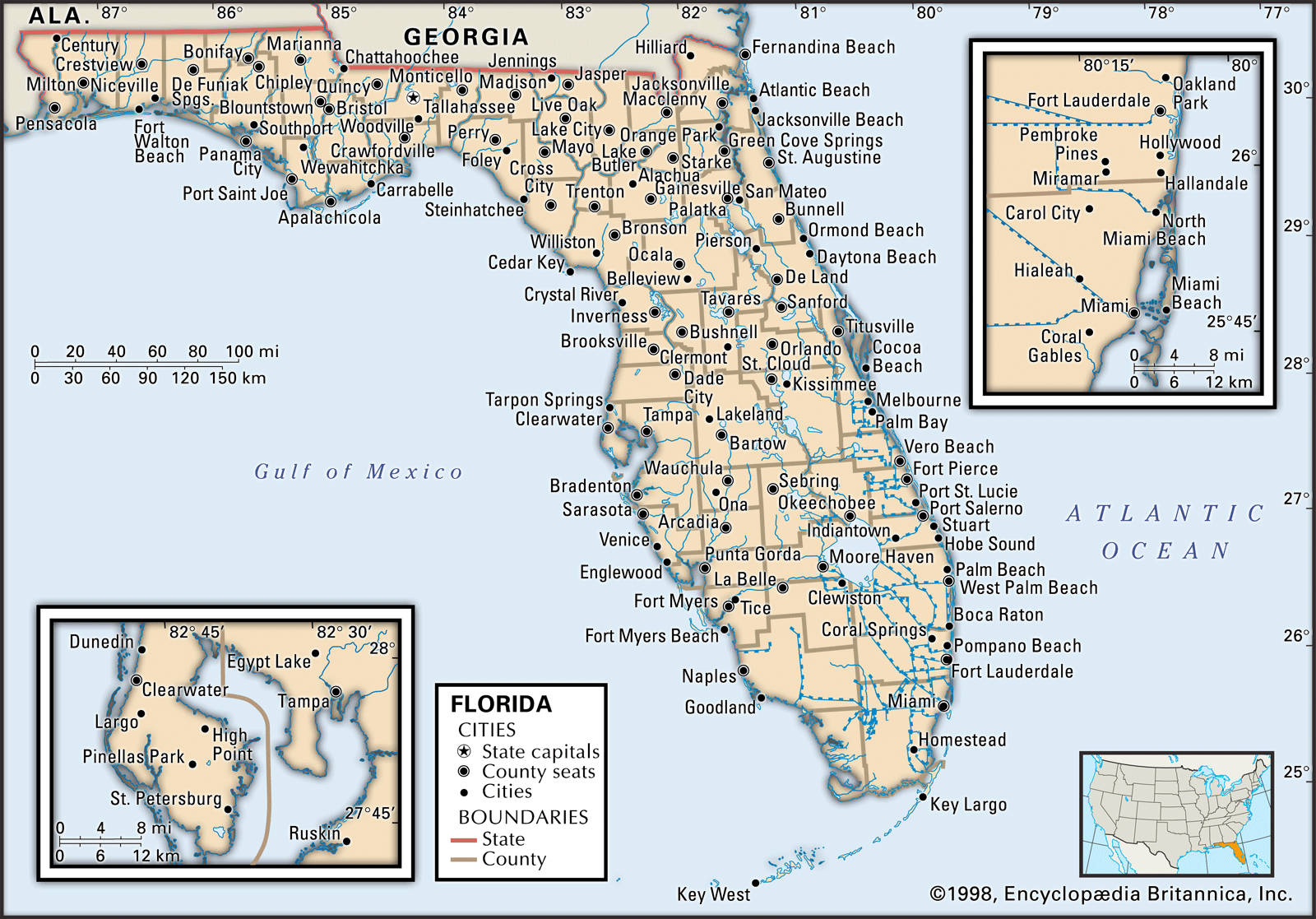
Florida is one of the busiest freight states in the nation. Ports in Miami, Tampa, and Jacksonville move enormous volumes of freight inland every day, and the I-95, I-4, and I-75 corridors carry a constant stream of commercial trucks. That density of traffic, combined with Florida’s year-round construction, tourist season congestion, and severe weather exposure, makes this one of the more demanding states in the country for a trucking company to operate safely and affordably. Underwriters know this, which is exactly why Florida commercial trucking insurance tends to be priced and structured differently than a policy you’d get in a lower-traffic, lower-risk state.
If you’re new to the industry, it helps to think of insurance not as a bill you have to pay, but as the tool that keeps your authority active, your contracts intact, and your business solvent after an accident. A single uninsured wreck can end a brand-new trucking company before it ever gets off the ground. Florida commercial trucking insurance exists to prevent that outcome.
What Florida Commercial Trucking Insurance Actually Covers
New trucking companies often assume “insurance” is a single policy that covers everything. In reality, Florida commercial trucking insurance is usually a package of several distinct coverages, each protecting a different part of your operation. Understanding these pieces before you call an agent will help you ask smarter questions and avoid buying coverage you don’t need while skipping coverage you do.
Primary Liability Insurance is the coverage that protects you if your truck causes bodily injury or property damage to someone else. This is required by the FMCSA for any carrier operating under interstate authority, and Florida has its own minimum financial responsibility requirements for intrastate carriers as well. This is almost always the largest single line item in a Florida commercial trucking insurance quote, and it’s the coverage a shipper or broker will ask to see proof of before working with you.
Cargo Insurance protects the freight you’re hauling. If a load shifts, catches fire, or is damaged in an accident, cargo coverage pays for the loss instead of coming directly out of your pocket. Most brokers and shippers require a minimum amount of cargo coverage before they’ll dispatch a load to a new carrier, so this is not a coverage you can skip if you plan to actually generate revenue.
Physical Damage Coverage protects the truck and trailer themselves. If you financed or leased your equipment, your lender will almost certainly require comprehensive and collision coverage as part of your Florida commercial trucking insurance package. Even if you own your equipment outright, physical damage coverage protects the asset that generates your income.
Bobtail and Non-Trucking Liability cover situations where you’re driving the truck without a trailer or without being dispatched on a load. Owner-operators leased to a motor carrier often need this coverage specifically because the carrier’s insurance usually only applies while you’re under dispatch.
General Liability protects your business from claims that don’t involve the truck itself, such as an injury that happens at your terminal or a contractual requirement from a customer. Many shippers won’t sign a contract with a new trucking company that doesn’t carry general liability alongside its Florida commercial trucking insurance package.
DOT and Federal Filings, including BOC-3 process agent designations and MCS-90 endorsements, are technically not insurance coverage but are closely tied to your policy. Your agent should handle these filings as part of setting up your Florida commercial trucking insurance, since the FMCSA will not activate your authority without them.
Workers’ Compensation becomes relevant the moment you hire your first driver as an employee rather than an independent contractor. Florida law has specific thresholds for when workers’ compensation is mandatory, and a new fleet owner should understand this before payroll starts, not after an on-the-job injury forces the issue. Skipping this coverage to save money in the early months is one of the fastest ways a growing company ends up with an expensive, avoidable claim.
Umbrella or Excess Liability sits on top of your primary liability policy and kicks in once the underlying limits are exhausted. Many shippers and brokers now require higher combined limits than a standard policy provides, especially for carriers hauling higher-value freight, hazardous materials, or operating larger equipment. Adding an umbrella layer early can also make future contracts easier to win, since some of the larger shippers in the state simply won’t work with a carrier that can’t show adequate excess coverage.
Taken together, these coverages form a complete risk-management picture rather than a single transaction. New owners who understand each piece are in a much stronger position to negotiate with an agent, compare quotes intelligently, and avoid paying for coverage that doesn’t fit their operation.
How Florida’s Environment Shapes Insurance Costs
New trucking companies are often surprised by how much geography affects pricing. Florida commercial trucking insurance carries some cost factors that carriers in other states simply don’t face.
Hurricane and Severe Weather Exposure. Florida’s hurricane season runs from June through November, and insurers price that risk into physical damage coverage. Trucks parked in flood-prone areas, or fleets that don’t have a documented storm plan, can see higher premiums. New companies that show underwriters they have a plan for securing equipment during storm season often qualify for better rates on their Florida commercial trucking insurance.
Traffic Density and Accident Frequency. Miami-Dade, Broward, Orange, and Hillsborough counties see some of the highest traffic volumes in the Southeast. More miles driven in dense traffic generally means more accident exposure, and underwriters factor that directly into premiums.
Litigation Environment. Florida has historically been considered a higher litigation state for auto claims, which pushes liability premiums upward compared to more rural, lower-claim states. This is one of the biggest reasons a first-time trucking company owner is often shocked by how much higher a Florida commercial trucking insurance quote is compared to what a friend in another state is paying.
Port and Warehouse Density. With major ports in Miami, Port Everglades, Tampa, and Jacksonville, plus a booming warehouse and distribution network, Florida has a huge volume of short-haul and drayage trucking. This kind of frequent-stop, urban driving carries its own risk profile that differs from long-haul interstate work, and a good agent will structure your Florida commercial trucking insurance around the type of hauling you actually do.
Equipment Type and Weight Class. A dump truck operating on construction sites, a tanker hauling fuel, and a dry van running long-haul routes all carry very different risk profiles, even though they’re all commercial trucks. Heavier equipment, hazardous cargo, and specialized bodies like flatbeds or tow trucks tend to carry higher premiums than a standard box truck or dry van because the potential severity of a claim is greater.
Radius of Operation. Carriers that stay local, moving freight within a tight radius around Miami, Tampa, Orlando, or Jacksonville, often see different pricing than carriers running long-haul interstate routes. More time on unfamiliar interstates and overnight stops away from home base changes the exposure profile insurers are pricing into a policy.
None of these factors mean new carriers are doomed to overpay. They simply mean that shopping with an agent who understands the Florida market, rather than a generic national call center, tends to produce better results for a brand-new business. A local agency has already seen how these variables play out across hundreds of policies and can steer a new company toward carriers that are the best fit for their specific equipment and operating footprint, rather than a one-size-fits-all national program.
Step-by-Step: Getting Insured as a New Trucking Company in Florida
If you’re starting from zero, here is the order of operations that tends to work best when securing Florida commercial trucking insurance for the first time.
- Get your USDOT and MC numbers first. You’ll need these to apply for coverage, since your operating authority determines what kind of policy you need.
- Decide your authority type. Are you leasing on to a motor carrier, or running under your own authority? This single decision changes almost every part of your Florida commercial trucking insurance package, from liability limits to whether you need non-trucking liability.
- Know your equipment details. Truck year, make, model, VIN, and trailer type all affect your quote. Have this information ready before you call an agent.
- Gather your driver information. Years of experience, CDL history, and any prior violations all factor into your Florida commercial trucking insurance premium. Be upfront about your driving history; it will surface during underwriting regardless.
- Request quotes from multiple carriers. A good agency will shop your risk across several insurance companies rather than presenting a single option, since pricing and appetite vary significantly by carrier for new authority trucking businesses.
- Review the coverage, not just the price. The cheapest Florida commercial trucking insurance quote isn’t always the best value if it leaves gaps in cargo or physical damage coverage that could cost you far more later.
- Confirm your DOT filings are submitted. Your agent should file your BOC-3 and any required MCS-90 endorsement directly with the FMCSA so your authority activates without delay.
- Get your certificate of insurance. Once your policy is bound, you’ll need a COI to show brokers and shippers before you can start hauling loads.
Common Mistakes New Trucking Companies Make With Insurance
Having worked with dozens of first-time owner-operators and small fleets, a few patterns show up again and again when new companies shop for Florida commercial trucking insurance.
Waiting until authority is active to start shopping. New authority is treated differently by underwriters than established authority. Some carriers won’t even quote new authority, and the ones that do often price it higher. Starting the conversation early, even before your authority is fully approved, gives you more options.
Choosing the cheapest quote without reading the coverage. A low premium on Florida commercial trucking insurance can hide low cargo limits, high deductibles, or exclusions that leave you exposed exactly when you need coverage most.
Not disclosing accurate information. Misrepresenting your operation, whether it’s the type of freight you haul, your radius of operation, or your driver history, can lead to a denied claim later. Underwriters check, and the savings from cutting corners upfront rarely outweigh the risk of a denied claim.
Ignoring non-trucking liability. Owner-operators leased to a carrier sometimes assume the carrier’s policy covers them at all times. It usually doesn’t. Without your own bobtail or non-trucking liability as part of your Florida commercial trucking insurance, you can be personally exposed when you’re not under dispatch.
Letting coverage lapse between trucks or during slow seasons. A lapse, even a short one, can spike your renewal premium and make you look like a higher risk to future underwriters. If cash flow is tight, talk to your agent about options before letting a policy cancel.
Underestimating how quickly the business will grow. A new company that starts with one truck often adds a second or third within the first year. Structuring your policy and your relationship with your agent so it can scale, rather than starting over from scratch with every new unit, saves both time and money as your fleet expands.
Choosing the Right Agency for Florida Commercial Trucking Insurance
Not every insurance agency understands trucking, and not every trucking-focused agency understands Florida. New companies benefit from working with a local agency that does both. Here’s what to look for:
Trucking specialization. An agent who primarily writes homeowners and personal auto policies isn’t going to understand motor carrier insurance, cargo limits, or FMCSA filing requirements the way a dedicated commercial trucking agency will.
Access to multiple carriers. Because appetite and pricing vary so much by insurance company, an agency that can shop your Florida commercial trucking insurance across several markets will almost always find a better fit than one tied to a single carrier.
Local Florida knowledge. An agency based in Florida understands the state’s DOT requirements, its litigation environment, its port and drayage traffic, and its hurricane exposure. That local knowledge translates directly into better-structured policies and more accurate pricing.
Fast turnaround and responsive service. New trucking companies can’t afford to wait days for a certificate of insurance when a broker is holding a load. Look for an agency that offers quick quotes, instant COIs, and real people you can reach by phone.
Support beyond the sale. The best agencies help with more than just binding a policy. They help new companies understand DOT filings, renewal timing, and how to structure coverage as the business grows from one truck to a small fleet.
Willingness to explain, not just sell. A new owner-operator asking questions about deductibles, exclusions, or how a claim actually works shouldn’t feel rushed off the phone. Agents who take the time to walk through the fine print tend to build longer relationships with their clients, and those clients tend to make fewer costly mistakes down the road. If an agent can’t clearly explain why a particular limit or deductible makes sense for your operation, that’s a sign to keep shopping.
It’s also worth asking a prospective agency how long they’ve worked specifically with trucking clients in Florida, and whether they can provide references from other owner-operators or small fleets they’ve helped get set up. A track record of helping new authority carriers navigate their first year on the road says a lot more than a generic advertisement promising the lowest rates in the state.
Frequently Asked Questions About Florida Commercial Trucking Insurance
How much does Florida commercial trucking insurance cost for a new company? Cost varies widely based on your equipment, authority type, driver experience, and the freight you haul. New authority carriers typically pay more than established carriers with a clean claims history, but shopping multiple insurers and working with a specialized agent can meaningfully narrow that gap.
Do I need commercial insurance before I get my MC number? You’ll need to have insurance in place before your authority becomes active, but it’s smart to start requesting quotes as soon as you apply for your MC number so you’re not scrambling once approval comes through.
Is Florida commercial trucking insurance more expensive than in other states? Often, yes. Florida’s traffic density, litigation environment, and hurricane exposure tend to push premiums higher than in lower-risk states, which makes shopping with a Florida-focused agency especially valuable for new carriers.
What’s the minimum coverage required to operate legally? Minimums depend on whether you’re running interstate or intrastate authority and what type of freight you’re hauling. A knowledgeable agent will walk you through the FMCSA and Florida-specific requirements that apply to your exact operation.
Can I get same-day coverage as a brand-new trucking company? In many cases, yes. Agencies with strong carrier relationships can often bind coverage and issue a certificate of insurance the same day, which matters if a broker is waiting on proof of insurance before releasing a load.
Getting Started With Confidence
Launching a trucking company in Florida is a significant investment of time, money, and risk, and insurance is the piece that protects all of it. Florida commercial trucking insurance isn’t just a box to check for DOT compliance; it’s what keeps your equipment, your freight, and your business running after the unexpected happens. New owner-operators and fleet owners who take the time to understand their coverage, shop with a trucking-focused agency, and avoid the common mistakes outlined above put themselves in a far stronger position than those who treat insurance as an afterthought.
If you’re a new trucking company in Florida looking for straightforward guidance and competitive Florida commercial trucking insurance quotes, working with a local agency that specializes in commercial trucking can save you time, money, and headaches as you get your operation on the road. A knowledgeable agent will shop multiple carriers on your behalf, help you understand exactly what coverage you need, handle your DOT filings, and get you a certificate of insurance fast so you can start hauling loads with confidence.
The road ahead is easier when the right protection is already in place. Take the time now to build a relationship with an agency that understands both the trucking industry and the specific challenges of operating in this state, and you’ll spend less time worrying about coverage gaps and more time building the business you set out to create.
Get a great quote! Contact us!
