
Box Truck Insurance in Miami, FL: The Complete 2026 Guide for Owner-Operators and Fleets
If you run a 16′, 20′, 24′, or 26′ straight truck anywhere between Doral and Downtown Miami, you already know that South Florida traffic, sudden afternoon storms, and tight urban delivery routes make every trip a little riskier than the same job would be in a quieter market. That’s exactly why box truck insurance isn’t just another line item on your budget — it’s the foundation that keeps your truck, your cargo, and your business moving after something goes wrong. This guide walks Miami-Dade owner-operators, small fleets, and last-mile delivery businesses through everything you need to know about protecting a straight truck, from coverage basics to local pricing factors, Florida compliance rules, and how to choose a policy that actually fits the way you operate in Miami.
Why Box Truck Insurance Matters So Much in Miami-Dade County
Miami isn’t an easy place to run a straight truck. Between the container traffic feeding into PortMiami, the constant construction on I-95 and the Palmetto Expressway, and the sheer density of delivery stops in neighborhoods like Wynwood, Little Havana, and Coral Gables, box truck drivers face a level of daily exposure that few other U.S. markets can match. Add in South Florida’s hurricane season, sudden flash floods, and a high volume of uninsured drivers on local roads, and it becomes clear why generic personal auto policies — or even a basic commercial auto policy built for a different vehicle class — simply won’t hold up.
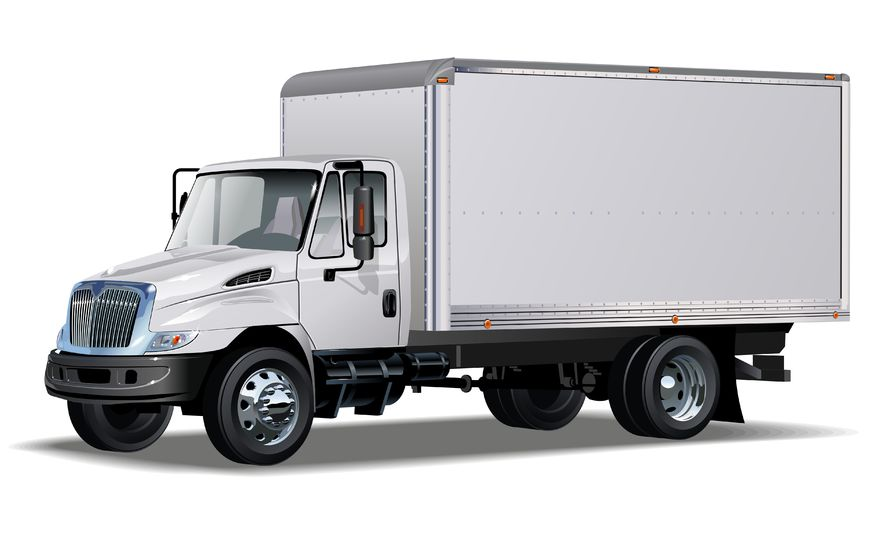
Box truck insurance is built specifically around the risks that 16’–26′ straight trucks face: frequent stops and starts, tight loading dock maneuvers, higher cargo values per trip, and a driver who is often alone and responsible for everything from securing the load to backing into a narrow alley behind a Miami restaurant or retail storefront. Whether you’re delivering furniture in Hialeah, running route deliveries for a distribution company near Miami International Airport, or hauling appliances across Miami Gardens, the right policy is what stands between a single bad day and a business-ending loss.
For owner-operators leased onto a motor carrier, having the right coverage also plays a direct role in compliance. Motor carriers and brokers in the Miami market routinely require proof of coverage before they’ll dispatch a load, and Florida’s own commercial vehicle regulations add another layer most first-time operators aren’t expecting. Getting this right from day one saves you from denied claims, canceled contracts, and expensive gaps in protection down the road.
What Does Box Truck Insurance Actually Cover?
A properly structured box truck insurance policy is really a bundle of several coverages working together, not a single product. Here’s what a strong Miami-based policy typically includes:
Primary Auto Liability — This is the coverage that pays for bodily injury and property damage you cause to someone else in an accident. Florida requires commercial vehicles to carry liability limits well above the state’s personal auto minimums, and if you’re operating under your own DOT authority, federal financial responsibility rules under FMCSA set even higher thresholds depending on cargo type and vehicle weight.
Physical Damage Coverage (Comprehensive and Collision) — Comprehensive protects your truck against non-collision events like theft, vandalism, fire, flooding, and storm damage — all real risks in a hurricane-prone city like Miami. Collision coverage pays to repair or replace your truck after an accident, regardless of fault. Given how often box trucks in Miami are parked overnight in commercial lots or on residential streets, physical damage protection is one of the most important pieces of any box truck insurance policy.
Motor Truck Cargo Insurance — This covers the freight you’re hauling if it’s damaged, destroyed, or stolen while in your care, custody, and control. For box truck operators running frequent local deliveries — furniture, electronics, retail goods, pharmaceuticals, or perishables — cargo coverage is often non-negotiable, and many shippers and brokers in the Miami-Dade market won’t hand you a load without proof of it.
Non-Trucking Liability (Bobtail Coverage) — If you’re leased to a motor carrier but driving your truck for personal use or between dispatches, non-trucking liability fills the gap that your carrier’s policy won’t cover during that time.
General Liability — Protects your business against third-party claims of bodily injury or property damage that happen off the road — for example, if a delivery causes damage at a customer’s loading dock in Doral or Miami Lakes.
Hired and Non-Owned Auto Coverage — Useful if your business occasionally rents a truck or uses a vehicle it doesn’t directly own, ensuring the coverage gap doesn’t fall back on you personally.
Trailer Interchange and Rental Reimbursement — Optional add-ons worth discussing with your agent if your operation involves swapping trailers or if downtime without a working truck would hurt your income.
Put together, these coverages form a complete box truck insurance package that protects your equipment, your freight, your employees, and your bottom line — not just the minimum required to stay legal.
Florida and Miami-Dade Compliance Requirements
Florida trucking regulations layer on top of federal FMCSA rules, and Miami-Dade’s dense commercial corridors mean local code enforcement and municipal delivery restrictions come into play too. If you’re operating a box truck for hire or under your own authority, here’s what typically applies:
- State Minimum Liability — Florida sets baseline financial responsibility requirements for commercial vehicles, but these minimums are often far too low to protect a business realistically, especially in a litigious market like Miami where medical and repair costs run high.
- Federal Filings — If you operate as a for-hire interstate carrier, you may need a BOC-3 process agent filing and, depending on your cargo and operating authority, an MCS-90 endorsement on your policy.
- DOT Number and MC Authority — Before a load broker or shipper in the Miami market will work with you, most will verify your DOT number, insurance status, and safety rating through FMCSA’s public systems.
- Certificate of Insurance (COI) — Brokers, warehouses, and shippers across Miami-Dade routinely require an active COI before granting facility access or dispatching freight, so having same-day access to updated certificates matters more here than in slower-paced markets.
Falling short on any of these can mean a grounded truck, a lost contract, or a denied claim — all of which hit harder when the right coverage was the piece that should have prevented it in the first place.
What Affects the Cost of Box Truck Insurance in Miami?
Rates for box truck insurance vary widely based on a mix of factors specific to both the operator and the Miami-Dade operating environment:
Driving History and Experience — Carriers weigh your motor vehicle record and CDL or non-CDL driving experience heavily. A clean record over the past three to five years typically brings meaningfully better rates.
Radius of Operation — A box truck running short local routes within Miami-Dade County is often priced differently than one running regional lanes up to Orlando or Tampa. Insurers factor in how much time your truck spends in dense urban traffic versus highway miles.
Cargo Type and Value — Hauling high-value electronics or pharmaceuticals carries a different risk profile — and cargo insurance cost — than hauling furniture or dry goods.
Truck Age, Value, and Condition — Newer trucks with higher replacement costs generally carry higher physical damage premiums, while older, fully depreciated trucks may only need liability and limited physical damage coverage.
Garaging Location — Where you park your truck overnight matters. A secured lot in an industrial part of Miami-Dade is viewed differently than an unsecured residential street, and that affects your box truck insurance premium.
Years in Business and Authority Type — New authority carriers are statistically viewed as higher risk than operators with several years of clean safety history, which can influence quoted rates significantly.
Claims History — Prior at-fault accidents, cargo claims, or comprehensive losses will raise premiums, sometimes substantially, especially within the past three years.
Because these variables interact differently across carriers, getting quotes from an agency that can shop your risk across multiple insurance companies — rather than being locked into one carrier’s appetite — is usually the fastest way to find competitively priced box truck insurance without sacrificing coverage quality.
Local Risk Factors Every Miami Box Truck Operator Should Plan For
Running a straight truck in Miami-Dade comes with a specific risk profile that a generic, one-size-fits-all policy often misses:
Hurricane and Tropical Storm Exposure — South Florida’s storm season runs roughly June through November, and flooding, wind damage, and total losses from named storms are a real possibility every year. Comprehensive coverage within your box truck insurance policy is what protects your equipment when a storm — not another driver — is the cause of loss.
Heavy Urban and Port-Adjacent Traffic — Routes near PortMiami, Miami International Airport, and the I-95/826 interchange see some of the highest traffic density in the state, increasing the odds of a fender-bender turning into a costly claim.
High Rate of Uninsured and Underinsured Motorists — Florida consistently ranks among the states with elevated uninsured motorist rates, which makes uninsured/underinsured motorist coverage worth a serious conversation with your agent.
Theft and Vandalism in Commercial Areas — Box trucks parked overnight near warehouses, distribution centers, or residential streets in Miami-Dade can be targets for theft of cargo, catalytic converters, or the vehicle itself, reinforcing the value of comprehensive coverage.
Frequent Stop-and-Go Delivery Work — Constant loading dock maneuvers, backing into alleys, and navigating narrow commercial streets in areas like Wynwood or Little Haiti increase the likelihood of minor collision claims compared to long-haul highway driving.
A locally informed box truck insurance policy accounts for these realities instead of applying a generic national template that doesn’t reflect how trucks actually operate in South Florida.
How to Choose the Right Box Truck Insurance Policy in Miami
Not all policies — or agencies — are built the same. Here’s what to look for when comparing box truck insurance options in the Miami market:
- Work with an agency that shops multiple carriers. Insurance companies price risk differently, and a Miami-based agency with access to several markets can typically find better terms than a single-carrier captive agent.
- Confirm cargo coverage matches what you actually haul. A policy with a $10,000 cargo limit won’t help much if you’re regularly delivering loads worth three times that.
- Ask about same-day Certificates of Insurance. In a fast-moving market like Miami, waiting two days for a COI can mean losing a load to a competitor who can get one instantly.
- Review physical damage valuation methods. Understand whether your truck is insured for actual cash value or a stated/agreed value, since this significantly affects your payout after a total loss.
- Check for non-trucking liability if you’re leased on. This is a common gap that catches new owner-operators off guard.
- Verify DOT filing support. If you need a BOC-3 or MCS-90, your agency should handle this as part of setting up your box truck insurance, not leave you to figure it out separately.
- Ask how claims are handled locally. A responsive claims process matters enormously when your truck — and your income — is sitting in a body shop.
Taking the time to compare these factors, rather than choosing based on price alone, is what separates operators who stay protected from those who discover coverage gaps only after a loss.
Common Mistakes Miami Box Truck Owners Make With Insurance
Even experienced operators run into avoidable problems. A few of the most common:
- Underinsuring cargo value to save a few dollars a month, only to face a five-figure loss with a policy that caps out far short of the actual freight value.
- Letting a policy lapse between loads, which can trigger higher rates at renewal and create a compliance gap with brokers who check insurance status before dispatch.
- Assuming personal auto coverage extends to commercial use — it almost never does, and a claim filed under a personal policy for a commercial box truck accident is very likely to be denied.
- Skipping non-trucking liability when leased to a carrier, leaving a dangerous gap during personal-use miles.
- Not updating coverage after adding drivers or expanding routes, which can leave newer team members or longer hauls outside the scope of the original policy.
Avoiding these mistakes starts with working with an agency that understands both the insurance side and the day-to-day realities of running a box truck in Miami-Dade.
Why Miami Commercial Truck Insurance for Your Coverage Needs
Miami Commercial Truck Insurance is a local Miami agency that specializes in box truck insurance, along with coverage for dump trucks, flatbeds, tow trucks, fuel haulers, and full commercial fleets across Miami-Dade County. Because the agency works with multiple carriers rather than a single insurance company, it can shop your risk profile to find competitive rates without cutting corners on the coverage that actually protects you — primary liability, physical damage, motor truck cargo, non-trucking liability, general liability, and hired/non-owned auto, all tailored to how you operate in South Florida.
The agency also supports DOT and federal filings, including BOC-3 and MCS-90 requirements, and offers instant Certificate of Insurance access so you’re never stuck waiting on paperwork to accept a load. With local knowledge of Florida trucking regulations and Miami-Dade’s specific risk environment — from hurricane exposure to dense port and airport traffic — the team builds box truck insurance policies designed around the realities of driving a straight truck in this market, not a generic national template.
Whether you’re an owner-operator just getting your authority set up, a small fleet expanding into new delivery routes, or an established Miami business adding trucks to keep up with demand, getting the right box truck insurance in place protects your equipment, your freight, and your ability to keep working after the unexpected happens.
Box Truck Insurance Coverage Across Miami-Dade County
Because Miami-Dade County stretches across such a wide mix of commercial corridors, residential delivery zones, and industrial districts, local coverage needs can look different from one neighborhood to the next. A box truck running produce and grocery routes through Little Havana faces different daily conditions than one making furniture deliveries in Coral Gables or hauling construction supplies near the Miami Gardens industrial parks. A Miami-based agency that understands these differences can tailor a box truck insurance policy to the actual routes, garaging locations, and delivery patterns of your business rather than applying a one-size-fits-all rate.
Common service areas for Miami-Dade box truck operators include:
- Doral — heavy commercial and warehouse traffic near Miami International Airport, with frequent short-haul freight movement.
- Hialeah — dense residential and small-business delivery routes with tight street parking.
- Miami Gardens — industrial parks and distribution centers supporting regional delivery fleets.
- Coral Gables — retail and business-district deliveries requiring careful urban maneuvering.
- Wynwood and Little Haiti — high-density commercial delivery zones with narrow streets and frequent double-parking.
- Miami Beach — hospitality and retail delivery routes with strict municipal loading and parking rules.
- Downtown Miami and Brickell — high-rise commercial deliveries with limited loading dock access and heavy midday congestion.
No matter which part of Miami-Dade your routes cover, a properly structured policy should reflect where your truck actually operates day to day, not just where your business is registered.
Frequently Asked Questions About Box Truck Insurance in Miami
Do I need commercial coverage if I only drive my box truck part-time? Yes. Any use of a box truck for business purposes — even occasional deliveries or side jobs — generally falls outside personal auto coverage. A commercial box truck insurance policy is designed to cover business use, regardless of how many hours per week the truck is on the road.
How fast can I get a Certificate of Insurance in Miami? Many local agencies, including agencies working with multiple carriers, can issue a same-day Certificate of Insurance once your box truck insurance policy is bound, which matters when a broker or shipper won’t dispatch a load without proof of coverage.
Does box truck insurance cover the freight I’m hauling? Liability and physical damage coverage protect your truck and third parties, but the freight itself is protected under a separate motor truck cargo policy, which is typically bundled into a complete box truck insurance package for Miami operators.
Will my rates be different if I only drive locally within Miami-Dade? Often, yes. Radius of operation is one of the key rating factors insurers use, and a box truck that stays within a defined local area may see different pricing than one running longer regional routes.
What happens if I let my policy lapse between jobs? A lapse can lead to higher renewal rates, a compliance gap with brokers checking your insurance status, and in some cases, a full requalification process with the carrier, so keeping continuous coverage in force is generally the more cost-effective approach.
Get a Box Truck Insurance Quote in Miami Today
South Florida traffic, tropical weather, and a fast-moving freight market make box truck insurance one of the most important investments you’ll make in your trucking business. The right policy doesn’t just keep you legal — it keeps your truck on the road and your business protected when something goes wrong.
Miami Commercial Truck Insurance is located at 33 SW 2nd Ave, Suite 1650, Miami, FL 33130, and serves owner-operators and fleets throughout Miami-Dade County, including Doral, Hialeah, Miami Gardens, Coral Gables, and Miami Beach. Call (786) 957-5449 today or request an online quote to get same-day box truck insurance coverage built around how you actually operate in Miami.
