
The Complete Guide to Intermodal Trucking Insurance for Miami-Dade Carriers
Miami isn’t just a beach town with good weather and bad traffic — it’s one of the busiest freight gateways in the entire country. Between PortMiami, the FEC Railway intermodal ramp in Hialeah, and the constant flow of containers moving between ships, rail cars, and drayage trucks, Miami-Dade County is a hub for a very specific and often misunderstood corner of the trucking industry: intermodal freight. If your business hauls containers to or from the port, a rail yard, or a distribution center in South Florida, you already know that standard commercial auto coverage doesn’t quite fit what you do. That’s where intermodal trucking insurance comes in, and it’s why so many local carriers are searching for guidance on this exact topic in Miami, FL.
This guide breaks down everything a Miami-Dade owner-operator, drayage company, or growing fleet needs to understand before buying a policy, what coverages actually matter, what PortMiami and rail partners require, and how to avoid the coverage gaps that catch container haulers off guard. Whether you’re brand new to drayage or you’ve been running containers out of the Port of Miami for years, this article is written specifically for carriers operating in Miami-Dade County and the surrounding South Florida market.
What Is Intermodal Trucking Insurance?
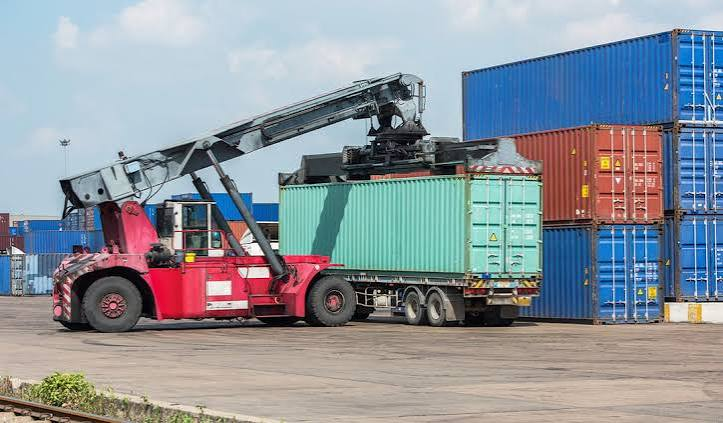
Intermodal freight refers to cargo that moves using more than one mode of transportation — typically ship to rail, or ship to truck, or some combination of the three — without the freight itself ever being unloaded from its container. A drayage carrier’s job is to move that sealed container the “last mile” (or sometimes the “first mile”) between the port, the rail ramp, and its final destination, such as a warehouse in Doral, a distribution center in Medley, or a cold storage facility near Miami International Airport.
Because this type of hauling involves equipment — namely, shipping containers and chassis — that the trucking company usually doesn’t own, standard commercial trucking insurance policies often fall short. Intermodal trucking insurance is designed to close those gaps. It typically bundles together auto liability, cargo coverage, and a critical piece most general trucking policies leave out entirely: trailer interchange coverage, which protects a carrier when they’re legally responsible for a chassis or container owned by someone else. In short, this coverage exists because intermodal work creates a unique risk profile that generic policies simply weren’t built to handle.
For Miami-Dade carriers specifically, intermodal trucking insurance isn’t a nice-to-have add-on — it’s the foundation that makes drayage work financially viable. Steamship lines, chassis pools, and rail carriers all expect proof of the right coverage before they’ll let a driver near their equipment, and a single gap can mean a truck sitting idle at the gate instead of earning revenue.
Why Miami-Dade Carriers Need Specialized Coverage
South Florida’s freight economy runs on intermodal movement. PortMiami is one of the largest container ports in the Southeastern United States, and it sits practically on top of a major FEC Railway intermodal terminal. That proximity is great for efficiency, but it also means Miami-Dade drayage carriers are constantly picking up and dropping off equipment they don’t own, navigating tight port terminals, and dealing with congestion on the Dolphin Expressway, I-95, and the streets around the port itself.
A few realities make Miami a uniquely demanding market for container haulers:
- Port congestion. Trucks queuing at PortMiami gates face fender-benders, tight turning radiuses, and constant start-stop traffic — all classic conditions for claims.
- Chassis liability. Many Miami drayage operators pull chassis provided by pools like TRAC or DCLI. If that chassis is damaged, defective, or involved in an accident, the trucking company can be held financially responsible.
- Hurricane and flood exposure. South Florida’s weather is no joke. Containers, chassis, and trucks sitting in port yards or staging lots are exposed to tropical storms for months out of the year.
- Heat and equipment wear. Miami’s climate is brutal on tires, brakes, and mechanical components, which increases breakdown-related claims for older equipment.
- Dense urban routes. Getting from the port to inland Miami-Dade destinations often means navigating some of the most congested surface streets in Florida.
Any one of these factors on its own would justify a closer look at your coverage. Together, they’re exactly why generalized policies purchased online without local expertise so often leave Miami-Dade drayage companies underinsured, and why intermodal trucking insurance built specifically for South Florida conditions matters so much here.
Core Coverages Every Container Hauler Should Understand
A well-structured intermodal trucking insurance policy for container haulers in Miami usually includes several distinct coverage types working together. Here’s what each one actually does.
Commercial Auto Liability
This is the foundation of any trucking policy and it’s legally required to operate. It covers bodily injury and property damage you cause to others in an at-fault accident. For drayage operators pulling in and out of PortMiami daily, liability limits need to be high enough to satisfy both Florida’s requirements and the contractual minimums set by the port terminals, steamship lines, and rail carriers you work with — often $1,000,000 or more.
Motor Truck Cargo Coverage
Cargo coverage protects the freight inside the container if it’s damaged, lost, or stolen while in your care, custody, or control. Because intermodal containers can carry anything from electronics to perishable goods to retail merchandise, cargo limits and exclusions matter a great deal. A policy written without container-specific language in mind can leave gaps around commodities that are common in port drayage but excluded in a generic cargo form.
Trailer Interchange Coverage
This is arguably the single most important, and most frequently missing, coverage for drayage operators. Trailer interchange protects a carrier’s legal liability for physical damage to a container or chassis that belongs to another party — a steamship line, a chassis pool, or a rail carrier — while it’s in the carrier’s possession under an interchange agreement. Without it, a single damaged chassis can turn into a costly out-of-pocket claim.
Physical Damage Coverage
This covers your own truck (and trailer, if owned) against collision, fire, theft, vandalism, and weather-related losses — an especially important consideration given South Florida’s hurricane season and the amount of time equipment spends parked in port-adjacent lots.
Non-Trucking Liability and Bobtail Coverage
Many drayage owner-operators are leased to a motor carrier but still drive their truck for personal use or bobtail between loads. Non-trucking liability and bobtail coverage fill the gap during those periods when the motor carrier’s policy isn’t providing coverage.
General Liability
General liability protects against claims that don’t involve your vehicle directly — for example, a slip-and-fall at your Miami office, or property damage caused while a driver is on a customer’s premises. Many warehouses, distribution centers, and rail facilities in Miami-Dade require proof of general liability before granting site access.
Pollution and Environmental Liability
If your operation ever hauls containers with hazardous materials, refrigerants, or fuel-related cargo, pollution liability becomes essential. Even a small chemical spill during a port transfer can trigger significant cleanup costs and regulatory scrutiny.
Compliance Requirements for Miami-Dade Drayage Operators
Beyond the coverage itself, container haulers operating out of PortMiami and Florida’s rail ramps need to keep several compliance pieces in order:
- DOT and MC Authority. Any carrier operating in interstate commerce needs active operating authority and a current DOT number.
- BOC-3 and MCS-90 filings. These federal filings designate process agents and provide required financial responsibility documentation.
- TWIC Card. Drivers accessing PortMiami’s secured terminals need a Transportation Worker Identification Credential, issued through TSA.
- Port and rail-specific insurance requirements. PortMiami, along with the steamship lines and rail carriers operating in Miami-Dade, often set their own minimum liability and interchange coverage requirements before a carrier is allowed to pick up or drop off equipment.
- Certificates of Insurance (COIs). Drayage carriers frequently need to produce a COI on short notice for a new customer, terminal, or chassis provider — something a good agency should be able to issue instantly rather than making you wait days.
Falling short on any one of these can mean a truck getting turned away at the gate, a denied claim, or a contract lost to a competitor who had their paperwork in order.
What Drives the Cost of Coverage in Miami
Premiums for container haulers in South Florida vary based on a handful of factors, and understanding them can help you budget realistically and spot ways to control costs over time.
- Radius of operation. A carrier running strictly local drayage around PortMiami and Miami-Dade will typically see different pricing than one running longer regional lanes into Central or North Florida.
- Equipment age and condition. Newer tractors with updated safety technology often qualify for better rates than older equipment.
- Driver experience and CDL history. Clean driving records and years of intermodal experience both work in your favor.
- Claims history. A carrier with a clean loss run will almost always see more competitive pricing than one with recent at-fault claims.
- Coverage limits and deductibles. Higher liability limits and lower deductibles increase premium, but they also reduce your out-of-pocket exposure if something goes wrong.
- Commodities hauled. High-value or sensitive cargo, like electronics or refrigerated goods, can affect cargo premium.
- Chassis and interchange exposure. The volume of interchange agreements you’re operating under factors directly into how trailer interchange coverage is priced.
Working with an agency that actually understands the Miami-Dade drayage market — not just general trucking — is often the difference between intermodal trucking insurance that’s competitively priced and a policy that’s either overpriced or dangerously thin on the coverages that matter most.
Common Coverage Gaps We See in Miami-Dade Drayage Fleets
After years of working with local carriers, a few recurring mistakes show up again and again:
- Assuming the steamship line’s insurance covers chassis damage. It usually doesn’t — that’s the carrier’s responsibility under most interchange agreements, which is exactly why trailer interchange coverage exists.
- Underinsuring cargo limits. Many policies default to a flat limit that doesn’t reflect the actual value of the goods moving through Miami’s port on any given day.
- Skipping general liability. Carriers that only maintain auto coverage can get turned away from warehouses and rail facilities that require broader liability protection.
- Letting COIs lapse. A single expired certificate can shut down operations at a terminal until it’s corrected.
- Ignoring hurricane season prep. Physical damage coverage needs to reflect the real risk of named storms affecting equipment parked in South Florida.
A knowledgeable local agent who understands intermodal trucking insurance can walk through your operation and flag these gaps before they turn into a denied claim or a shutdown at the gate.
A Day in the Life of a Miami Drayage Run
To understand why coverage needs to be tailored so precisely, it helps to walk through what a typical container move actually looks like in Miami-Dade County. A driver starts the day checking in at a PortMiami terminal gate, presenting a TWIC card and pickup number before being routed into a queue alongside dozens of other trucks. Once inside, a crane loads a container onto the chassis, and the driver performs a pre-trip inspection, checking tires, brakes, lights, and the chassis itself before pulling out.
From there, the route might head north on I-95 toward Broward County, west along the Dolphin Expressway to a warehouse in Doral, or a short hop to the FEC rail ramp in Hialeah for a rail-bound container. Along the way, the driver contends with dense traffic, sudden afternoon thunderstorms common during summer months, and the wear that comes from stop-and-go city driving in heat that regularly climbs into the nineties.
At the destination, the container is unloaded, and the driver often heads back to the port or rail ramp for another box, sometimes running several turns in a single shift. Chassis get swapped, containers get interchanged between steamship lines, and paperwork needs to match up at every stop. Any one of these steps — a tight turn at the gate, a mechanical failure on an aging chassis, a fender-bender in port traffic, or a storm rolling through while equipment sits staged overnight — represents a moment where the right coverage makes the difference between a manageable claim and a financial setback. Multiply that by dozens of trucks running these cycles daily across Miami-Dade County, and it’s clear why local carriers need a policy built around the realities of the job rather than a generic template designed for long-haul trucking elsewhere.
How to Choose the Right Agency in Miami
Not every insurance agency understands the nuances of container drayage, and that gap can cost a carrier real money when a claim happens. When evaluating an agency in Miami-Dade County, look for a few specific things:
- Local knowledge of PortMiami and FEC Railway operations. An agent who understands the physical layout, congestion patterns, and interchange requirements at the port will build a more accurate policy than one working from a generic national template.
- Access to multiple carriers. Because drayage risk profiles vary so much, working with an agency that can shop your policy across several insurance companies — rather than being locked into just one — usually leads to better pricing and broader coverage.
- Fast, responsive service. Port operations move quickly, and a lapsed certificate or a slow claims response can shut down a truck at the gate. Look for an agency that’s available around the clock and can issue a Certificate of Insurance instantly.
- Experience across trucking niches. An agency that understands box trucks, flatbeds, dump trucks, tractor-trailers, and drayage operations brings a broader perspective to structuring your policy correctly the first time.
Why Local Carriers Choose Miami Commercial Truck Insurance
Miami Commercial Truck Insurance is based right here in Miami-Dade County, at 33 SW 2nd Ave Suite 1650, Miami, FL 33130 — not in a call center somewhere out of state. That local presence matters when you’re trying to explain a chassis interchange issue at PortMiami or need a same-day certificate to get a truck through a rail terminal gate.
The agency works with multiple carriers to shop coverage for owner-operators, growing fleets, and established motor carriers across Miami-Dade County, including businesses that specialize in container drayage, box trucks, flatbeds, dump trucks, tow trucks, and tractor-trailers. Because the team understands the specific demands of moving freight between PortMiami, the FEC rail ramp, and inland Florida, they’re positioned to structure a policy that actually reflects how South Florida drayage operations really work — rather than applying a one-size-fits-all trucking template that leaves gaps around trailer interchange or cargo exposure.
Clients also get access to an instant Certificate of Insurance login, meaning a new customer, warehouse, or terminal requirement doesn’t have to mean a multi-day wait. Combined with 24/7 availability and a local team that’s easy to reach by phone, it’s a setup built around the pace that Miami’s freight industry actually moves at.
If your business is hauling containers in and out of PortMiami, working rail drayage out of Hialeah, or running mixed trucking operations across Miami-Dade County, a conversation with a local specialist is worth the time it takes to make a call. You can reach the team at (786) 957-5449, request an online quote, or stop by the Miami office to talk through your operation in person.
Frequently Asked Questions
Does regular commercial truck insurance cover container drayage? Not fully. Standard commercial auto policies typically don’t include trailer interchange coverage, which is why dedicated intermodal trucking insurance is essential for any carrier operating chassis or containers they don’t own. Without it, a carrier can be left personally responsible for damage to equipment that technically belongs to a steamship line or chassis pool.
Is trailer interchange coverage required by PortMiami or rail carriers? Many terminals, steamship lines, and rail carriers require proof of interchange coverage before a carrier is permitted to pick up or drop off equipment. Requirements vary by partner, so it’s worth confirming specific limits with each customer you work with.
How much coverage does a Miami drayage company typically need? It depends on the customers and terminals you work with, but many port and rail partners require liability limits of $1,000,000 or more, along with adequate cargo and interchange limits. A local agent can help match your policy to the actual contractual requirements you’re facing.
Can I get a Certificate of Insurance the same day? Yes, in most cases. Agencies with an online COI portal, such as Miami Commercial Truck Insurance, can issue a certificate almost instantly, which matters when a terminal or customer needs proof of coverage before allowing a truck through the gate.
Does hurricane season affect my coverage needs? It can. Physical damage coverage should account for the real possibility of a named storm affecting equipment stored or staged in South Florida, particularly for trucks and chassis parked near the coast for extended periods.
Final Thoughts
Container drayage is one of the most demanding corners of the trucking industry, and Miami-Dade County’s position as a major port and rail hub only raises the stakes. Between chassis liability, cargo exposure, hurricane risk, and the day-to-day grind of navigating PortMiami’s gates, a generic trucking policy simply isn’t built for the job. Getting the right combination of liability, cargo, physical damage, and trailer interchange protection in place isn’t just about compliance — it’s about making sure a single bad day at the port doesn’t turn into a financial disaster for your business.
If you’re running containers in or out of PortMiami, working the FEC rail ramp, or managing a mixed fleet across South Florida, take the time to have your policy reviewed by a local team that actually understands how Miami’s freight economy operates. Call Miami Commercial Truck Insurance at (786) 957-5449, request a quote online, or visit the office at 33 SW 2nd Ave Suite 1650, Miami, FL 33130 to make sure your coverage matches the way you actually run your business.
Get a great quote now! Contact us here!
