
Hotshot Trucking Insurance in Miami, FL: The Complete 2026 Guide for Owner-Operators
Miami is one of the busiest freight corridors in the entire Southeast, and that makes it a magnet for hotshot haulers. Between PortMiami, Miami International Airport, the warehouses lining NW 25th Street, and the constant flow of construction material moving along I-95, I-75, the Palmetto Expressway, and the Turnpike, there is no shortage of time-sensitive freight for a pickup-and-flatbed operator to chase. But before you chain down another load in Miami-Dade County, you need the right hotshot trucking insurance in place. Without it, one accident on the Dolphin Expressway or one cargo claim after a storm can wipe out everything you have built.
This guide breaks down exactly what hotshot trucking insurance covers, why Miami’s unique risk environment changes the equation, what it costs, and how to shop for a policy that actually protects your truck, your trailer, your freight, and your business.
What Is Hotshot Trucking?
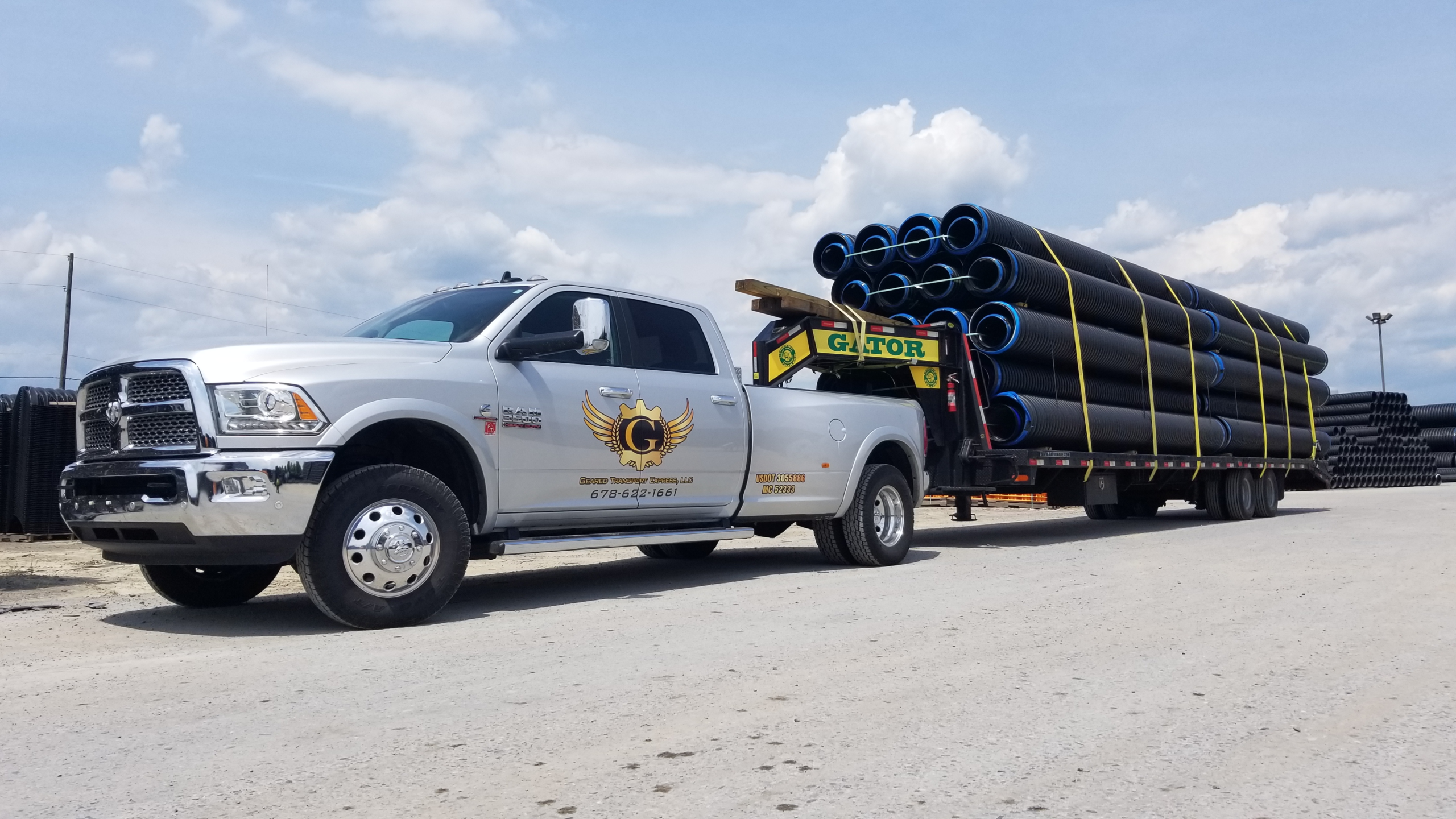
Hotshot trucking refers to the practice of hauling smaller, time-critical loads using a heavy-duty pickup truck (usually a one-ton or dually) paired with a flatbed, gooseneck, or dovetail trailer. Instead of running a full tractor-trailer rig, hotshot operators specialize in fast turnaround deliveries: equipment for a construction site in Doral, machinery parts for a marine repair shop near the Miami River, or emergency freight for a distribution center in Hialeah.
Because hotshot rigs are smaller and more nimble than an 18-wheeler, they can navigate the tight streets of Little Havana, the loading docks of the Miami Free Zone, and the congested surface roads around the port faster than a standard tractor-trailer. That flexibility is exactly why South Florida contractors, freight brokers, and manufacturers rely so heavily on hotshot capacity. This makes finding the right hotshot trucking insurance important.
Why Standard Auto Policies Fall Short
A personal auto policy on your pickup truck almost never extends to commercial hauling. The moment you accept payment to move someone else’s freight, you are operating as a motor carrier in the eyes of the Florida Department of Highway Safety and Motor Vehicles and the Federal Motor Carrier Safety Administration. If you’re hauling under your own DOT authority or leased to a carrier and something goes wrong on I-95 near the Golden Glades interchange, a personal policy will typically deny the claim outright. That gap is exactly what dedicated hotshot trucking insurance is built to close.
Core Coverages Every Miami Hotshot Operator Should Carry
Primary Auto Liability
This is the foundation of any hotshot trucking insurance package and the coverage required by the FMCSA for interstate operating authority. It pays for bodily injury and property damage you cause to others in an at-fault accident. Given Miami’s dense traffic patterns, tourist congestion on Biscayne Boulevard, and the sheer volume of vehicles merging onto the Dolphin and Palmetto expressways during rush hour, carrying liability limits well above the federal minimum is smart risk management, not just a box to check.
Motor Truck Cargo Coverage
Hotshot trucking insurance should also cover cargo. Cargo insurance protects the freight you’re paid to haul, whether it’s steel coils, HVAC units, generators headed to a jobsite ahead of hurricane season, or perishable goods moving out of the produce distribution hubs near Homestead. Brokers and shippers in the Miami market almost always require proof of cargo coverage before they’ll tender a load, so this piece of your coverage package directly affects how much freight you can book.
Physical Damage Coverage
Comprehensive and collision coverage protects your truck and trailer against collision, theft, vandalism, and weather-related loss. In South Florida, that last category matters enormously. Tropical storms, sudden flooding on low-lying roads near Brickell and the Miami River, and the intense summer hailstorms that roll through Miami-Dade every rainy season all put pickup trucks and open flatbed trailers at elevated risk compared to inland markets. Physical damage is important for hotshot trucking insurance policies to protect both your pickup truck and your trailer.
General Liability
General liability protects you against non-auto-related claims, such as a third party being injured while you’re loading or unloading freight at a warehouse dock or construction site. Many Miami property managers and general contractors won’t allow a hotshot driver onto the premises without proof of general liability on file.
Non-Trucking Liability (Bobtail Coverage)
If you lease onto a motor carrier, non-trucking liability protects you when you’re driving your truck for personal use or between dispatched loads, when the carrier’s policy isn’t in effect. This coverage is a standard add-on for owner-operators throughout the Miami-Dade and Broward hotshot community.
Occupational Accident Coverage
Because most owner-operators aren’t covered by workers’ compensation, occupational accident insurance fills that gap, covering medical expenses and lost income if you’re injured on the job. Given how physically demanding load securement can be, especially with oversized construction equipment moving through Miami’s booming building sector, this is worth serious consideration.
Miami-Specific Risk Factors That Affect Your Rates
Hurricane Season and Weather Exposure
Florida’s hurricane season runs from June through November, and Miami-Dade County sits directly in the path of tropical systems nearly every year. Insurers factor storm exposure into physical damage premiums for any vehicle garaged in South Florida, and hotshot operators hauling flatbed freight face additional cargo risk from wind and rain during active storm periods. Carriers that specialize in Florida trucking accounts understand how to structure coverage that accounts for this seasonal reality rather than penalizing you simply for operating in the region.
Dense Urban Traffic and Congestion
Miami consistently ranks among the most congested metro areas in the country. Interstate 95, the Palmetto Expressway, and the Dolphin Expressway see heavy commercial and passenger traffic throughout the day, which increases accident frequency compared to less congested markets. Underwriters weigh this traffic density heavily when pricing coverage for vehicles primarily operating within Miami-Dade County.
Port and Freight Corridor Activity
PortMiami is one of the busiest cargo ports in the United States, and the surrounding freight corridors along NW 25th Street, the Airport West industrial district, and the Medley warehouse cluster generate a constant stream of drayage and time-sensitive freight. This activity is a major reason demand for hotshot capacity in South Florida keeps climbing, but it also means more merging trucks, tighter loading docks, and higher cargo values moving through a compact geographic footprint.
Construction Boom Across Miami-Dade
From downtown high-rises to suburban development in Doral, Kendall, and Homestead, South Florida’s construction industry is a major client base for hotshot haulers moving equipment, generators, and building materials. Jobsite deliveries carry their own exposures, tight access roads, heavy machinery in motion, and inexperienced site traffic, all of which factor into how insurers evaluate general liability and cargo risk for operators serving that sector.
Federal and State Compliance Requirements
Depending on your gross vehicle weight rating and whether you cross state lines, you may need FMCSA operating authority, a BOC-3 process agent designation, and proof of financial responsibility through an MCS-90 endorsement. Florida also requires state-specific filings for intrastate carriers. An agency experienced with hotshot trucking insurance in Miami can walk you through exactly which filings apply to your operation, whether you’re running strictly within Miami-Dade County or booking loads that cross into Georgia or up the Eastern Seaboard.
What Determines Your Premium
Several factors shape what a hotshot operator in Miami will pay for coverage:
- Radius of operation. Local Miami-Dade routes typically cost less to insure than long-haul interstate lanes.
- Cargo type and value. Hauling construction equipment or electronics carries different risk than hauling lumber or pallets.
- Driving history and experience. A clean CDL or non-CDL driving record with trucking experience lowers your rate.
- Truck and trailer value. Newer, higher-value equipment raises physical damage premiums but may qualify for better safety-related discounts.
- Years in business and authority. New operating authority typically carries a higher rate until you establish a safety and claims history.
- Coverage limits and deductibles. Higher liability limits and lower deductibles increase premium but reduce your out-of-pocket exposure after a claim.
Because Miami is a higher-density, higher-storm-risk market than much of the country, rates here can run higher than in rural states. Shopping multiple carriers rather than accepting the first quote is one of the most effective ways to control cost without sacrificing protection.
How to Choose the Right Policy for Your Miami Operation
Start by working with an agency that understands the South Florida trucking market specifically, not just hotshot trucking insurance in general. A local Miami agency will know which carriers write favorable terms for pickup-and-flatbed operators, how to structure coverage around hurricane season, and how to bundle liability, cargo, physical damage, and non-trucking liability into one coordinated package instead of a patchwork of mismatched policies.
Ask any agency you’re considering these questions:
- Do you specialize in hotshot and owner-operator trucking accounts, or is this a small part of a much broader book of business?
- Can you provide same-day or next-day certificates of insurance so loads aren’t lost waiting on paperwork?
- Which carriers do you represent, and can you shop multiple markets to find competitive pricing?
- How do you structure coverage for seasonal storm risk here in South Florida?
- Can you help with DOT filings, BOC-3 designations, and MCS-90 endorsements if interstate authority is needed?
An agency that can answer all five confidently is far more likely to deliver a policy that actually fits how you operate day to day in Miami-Dade County.
Common Mistakes Hotshot Operators Make With Coverage
Underinsuring cargo value. Brokers often require cargo limits based on the freight you plan to haul, not the minimum your insurer offers by default. Confirm your limits match the loads you’re actually booking.
Skipping non-trucking liability. Drivers who lease onto a carrier sometimes assume the carrier’s policy covers them at all times. It doesn’t, and a gap in coverage during personal use of the truck can be financially devastating.
Choosing the cheapest quote without checking the carrier’s claims reputation. A low premium from an insurer that delays or denies claims isn’t actually inexpensive once downtime and legal costs enter the picture.
Failing to update coverage as the business grows. Adding a second truck, hiring a driver, or expanding into interstate lanes all change your risk profile and should trigger a policy review.
Not reviewing coverage before hurricane season. Confirming that physical damage limits, deductibles, and named-storm provisions are current before June 1 each year can prevent costly surprises.
Why Local Expertise Matters in Miami-Dade County
National insurance websites can quote a generic policy in minutes, but they rarely understand the day-to-day reality of running a hotshot rig through Miami traffic, port congestion, and seasonal storm risk. Working with a Miami-based agency means working with people who know the difference between a load moving through the Airport West industrial park and one headed out to a jobsite in Homestead, and who can structure a policy accordingly. That local knowledge often translates into fewer coverage gaps, faster certificate turnaround, and better guidance when a claim actually happens.
The Growing Hotshot Market Across South Florida
Demand for hotshot capacity in South Florida has climbed steadily as e-commerce fulfillment, last-mile delivery, and just-in-time manufacturing have expanded across Miami-Dade, Broward, and Palm Beach counties. Warehouses near Doral and Medley increasingly rely on smaller, faster trucks to move partial loads, and that shift has pulled more owner-operators into the hotshot segment every year. Agricultural shippers around Homestead also lean on hotshot capacity during harvest season, when produce needs to reach distribution centers quickly before it spoils.
This growth is good news for drivers, but it also means underwriters are paying closer attention to the segment. Insurers writing policies in this space want to see well-maintained equipment, a clear operating radius, and a driving record that reflects safe practices on some of the busiest interstates around. Presenting that information clearly when you apply can meaningfully improve the terms you’re offered.
Neighborhoods and Corridors Where Hotshot Demand Is Strongest
Certain pockets of Miami-Dade consistently generate outsized demand for hotshot capacity. The Airport West corridor near Miami International Airport is packed with freight forwarders and warehouses that need quick, flexible trucking. Medley and Doral host a dense concentration of logistics parks, cold storage facilities, and building supply yards. Downtown and Brickell construction projects regularly need urgent deliveries of tools, materials, and equipment. Homestead and South Dade support agricultural freight, while the area surrounding PortMiami generates constant drayage-adjacent work for smaller trucks that maneuver through terminal gates faster than a full rig.
Operating across these pockets means your truck may face very different conditions in a single week, from tight loading docks downtown to open highway stretches toward Homestead. A well-structured policy accounts for that variability rather than simply pricing your risk as if you only ever ran one type of route.
Frequently Asked Questions
Does hotshot trucking insurance cost more in Miami than in other parts of Florida?
Generally, yes. Dense traffic, higher accident frequency, elevated theft rates in some urban zip codes, and hurricane exposure all push premiums higher in Miami-Dade compared to more rural Florida counties. Working with an agency that shops multiple carriers helps offset that difference.
Do I need commercial coverage if I only haul occasionally?
If you accept payment to move freight, even occasionally, you need commercial coverage. Personal auto policies exclude for-hire hauling regardless of how often you do it.
Can I get coverage the same day I apply?
Many agencies serving the Miami market, including local specialists, can issue a certificate of insurance the same day, which matters if a broker needs proof of coverage before releasing a load.
Does my policy cover me if I’m leased onto a carrier?
Typically, the carrier’s policy covers you while dispatched, and your own non-trucking liability coverage protects you the rest of the time. Confirm this arrangement in writing before you start hauling.
What happens to my rate after a claim?
A single claim doesn’t automatically disqualify you from competitive pricing, but a pattern of claims, especially cargo or physical damage claims tied to storm season, can raise your renewal premium. Maintaining safe practices and proper equipment maintenance helps protect your long-term rate.
Bundling Coverage to Simplify Renewals
Many Miami hotshot operators start out with separate policies purchased from different sources: a physical damage policy from one carrier, a cargo endorsement tacked on somewhere else, and a general liability certificate handled through a third provider entirely. That patchwork approach tends to create coverage gaps precisely where they’re hardest to spot, and it makes renewal season a headache of tracking multiple expiration dates. A single agency that bundles liability, cargo, physical damage, non-trucking liability, and occupational accident coverage into one coordinated package tends to produce cleaner paperwork, fewer surprises at claim time, and often a better overall rate than piecing coverage together policy by policy.
Bundling also simplifies certificate requests. When a broker or shipper in Miami asks for proof of insurance before releasing a load, an agency managing your full package can typically issue an updated certificate within minutes rather than requiring you to track down documentation from several different insurers. For operators running multiple loads a week through the port, the airport freight zone, or Miami-Dade construction corridors, that speed can directly translate into more booked freight and less downtime waiting on paperwork.
Seasonal Checklist for Miami Hotshot Operators
Because South Florida’s risk profile shifts throughout the year, it helps to review your coverage on a seasonal basis rather than only at the annual renewal date. Before hurricane season begins each June, confirm that named-storm provisions, deductibles, and physical damage limits reflect the current value of your truck and trailer. During the busiest construction months, when jobsite deliveries pick up across Doral, Kendall, and downtown Miami, double-check that your general liability limits still meet the requirements of the sites and property managers you’re working with. Heading into the winter tourist season, when traffic congestion on the Dolphin and Palmetto expressways intensifies, it’s worth confirming that your liability limits remain adequate given the higher volume of vehicles on the road. A quick seasonal review with your agent takes only a few minutes but can prevent a costly coverage gap from going unnoticed until a claim exposes it.
Building a Long-Term Relationship With Your Insurance Agency
The trucking business in Miami rewards operators who plan for growth, and your insurance relationship should grow with you. As you add a second truck, bring on a driver, or expand from intrastate hauling into interstate lanes, your risk profile changes and your policy needs to change with it. Operators who treat their agency as a one-time transaction often end up underinsured within a year or two, while those who maintain an ongoing relationship with a knowledgeable local agent tend to catch those gaps before they become expensive problems. A good Miami-based agency will proactively reach out around renewal time to ask about changes to your fleet, your routes, and your revenue, rather than simply auto-renewing the same policy year after year regardless of how your business has evolved. Ultimately, hotshot trucking insurance works best as an ongoing partnership rather than a one-time purchase.
Get a quote now! Contact us here!

Leave a Reply